Jul 16, 2026 0 Comments in Aerial Firefighting, Cloudburst, IMS News, Industry News by

super el niño and cloudburst

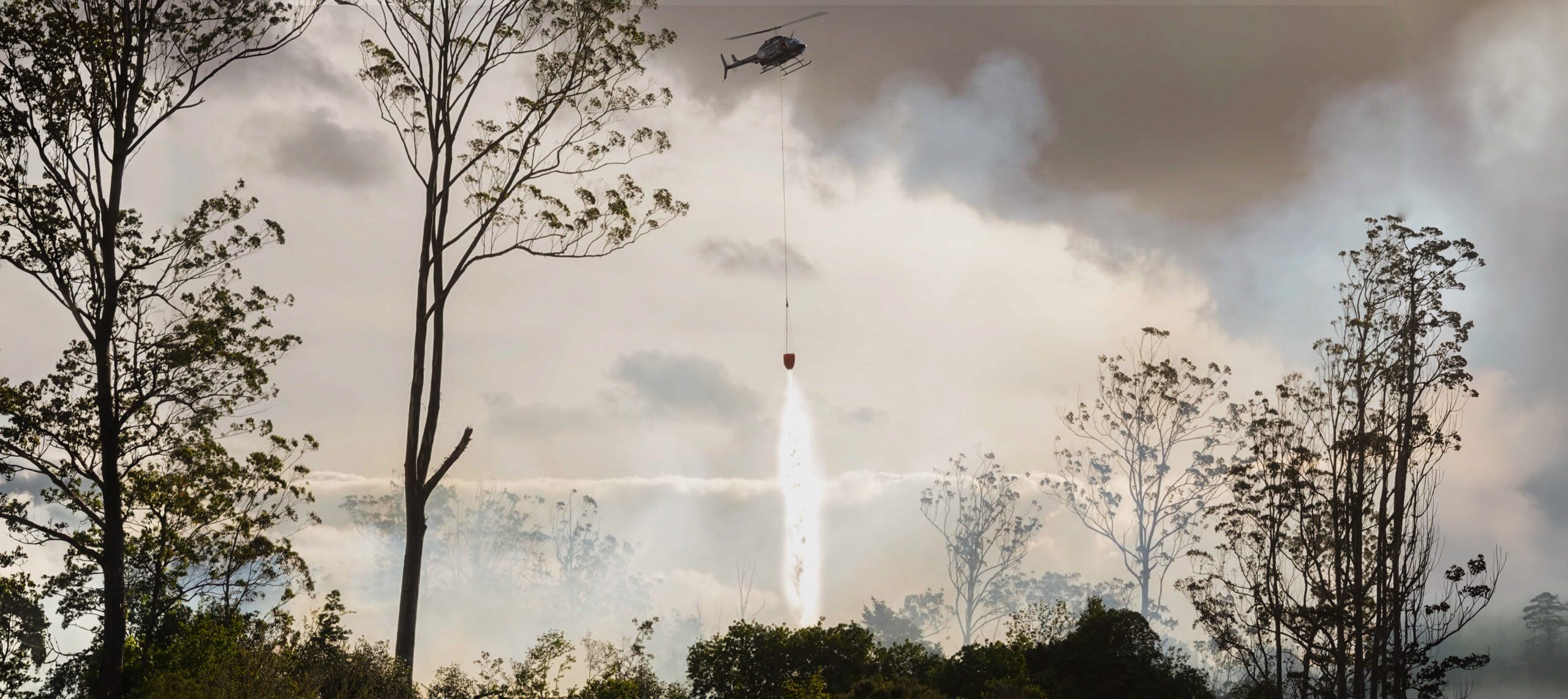
Getting an aerial firefighting fleet ready starts long before the first smoke appears. Choosing the right equipment early makes a massive difference when droughts worsen. With a Super El Niño predicted through early 2027, now is the time for agencies to prepare their fleets for extreme wildfires.

A Super El Niño Is Building

NOAA forecasts that the current El Niño will continue to strengthen through late 2026 and last well into early 2027. When ocean temperatures rise significantly above normal, it triggers what is known as a “Super El Niño.” This creates a harsh domino effect: less rain, intense heat, and parched land across the globe.

Drier land means more wildfires. During the last two strong El Niño events, over 2.3 million hectares of forest burned in Brazil alone, more than four times the normal yearly amount. Forecasts indicate elevated wildfire risk across parts of Southeast Asia, Australia, and Canada, although severity will vary with local weather conditions and other climate factors. The WRI notes that the last 11 years have been the warmest on record, which can make drought conditions more severe even when rainfall deficits are similar to those of previous El Niño events.

Why Drought Makes Aerial Firefighting Harder

Drought does not just increase the number of wildfires. It directly affects the conditions aerial firefighting operations depend on. As rivers and lakes recede, fewer nearby water sources remain suitable for helicopter refilling.

Helicopters often must travel farther to collect water, increasing flight time and fuel consumption and reducing the number of drops completed each hour. As water levels continue to fall, some conventional refill locations become increasingly difficult to use efficiently, forcing crews to rely on more distant water sources. Every extra minute spent travelling is a minute the fire continues to spread.

How the Cloudburst Helicopter Fire Bucket Helps

The Cloudburst Fire Bucket is engineered to support aerial firefighting operations in demanding wildfire environments such as Super El Niño.

Fill from Shallow Water: The optional Shallow-Fill pump works in water as shallow as 20 cm (8 inches). This opens up the option to use streams and ponds that would otherwise be unusable. Your crews refill closer to the fire, spending less time in transit.

Precision Multi-Drop Control: Cloudburst’s Monsoon Valve lets pilots make several targeted drops from one load without returning to refill each time. A Multi-Drop Valve means less water wasted, and better usage of each bucket.

Water Storage: Cloudburst Dam is a portable water reservoir, available in capacities of 1,200 to 60,000 litres, that ground crews set up in a safe area near the fire line. Positioning water closer to the fire reduces transit distances, improves turnaround times, and supports more efficient aerial suppression.

Configurable for Mixed Fleets: Cloudburst is available in multiple configurations to suit different aircraft and operational requirements. Options include Hard-Shell and Soft-Shell buckets, different control options, multiple pump configurations including DC and AC pumps allowing for filling speeds as high as 100 litres per second. Cloudburst can even be powered from a optional Battery Module, removing reliance on helicopter systems entirely. This flexibility allows agencies operating mixed helicopter fleets to configure equipment that aligns with their operational and maintenance requirements.

Built for Every Helicopter

The Cloudburst Fire Bucket is available in 22 sizes ranging from 130 to 10,000 litres and supports light, medium, and heavy-lift helicopters. Its durable construction provides excellent UV stability and resistance to abrasion, algae, and fungus.

Preparing for the 2027 Fire Season is essential

Fleets change, requirements change, and so should your equipment.

Reviewing your bucket capability, refill efficiency, and supporting equipment is essential to help ensure helicopters remain productive throughout extended operations.

Equipment such as multi-drop fire buckets, optional shallow-fill systems, and portable tactical water storage can help reduce turnaround times, improve water delivery flexibility, and support sustained suppression efforts when natural water sources become limited.

Acting before the season begins allows fleet managers to focus on firefighting operations rather than equipment limitations when every flight counts.

Need more details about the Cloudburst Fire Bucket?

Complete the form below to download our brochure, and our team will reach out to answer any further questions.

Name(Required)

Contact Us

IMS Sales | imssales@imsheli.com | +64 21 583 033